
The Documentary and the Ethics of Looking
The Edge of the WorldThe camera begins as a professional tool but becomes a test of consent, intimacy, and whether a life can be filmed without reducing its subject to a reveal.
increasing Bearing strength in each event
 decreasing
Bearing strength in each eventdecreasingA Project Accepted in Grief
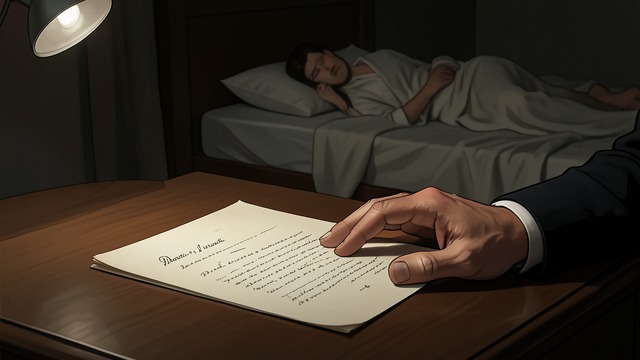
An Agreement Shay Barely Remembers
Consent under difficult circumstances
Shay signed the documentary agreement while his mother was dying and later admits he may have agreed simply to end the conversation. Corina has arranged the project with a major broadcaster, but Shay’s understanding is incomplete.
The ethical problem
The contract is valid, yet the emotional basis of consent is fragile. The conflict asks whether professional permission is enough when the subject does not know what the project will uncover.
A Researcher Behind the Lens
The Camera Finds a Person
A solo production
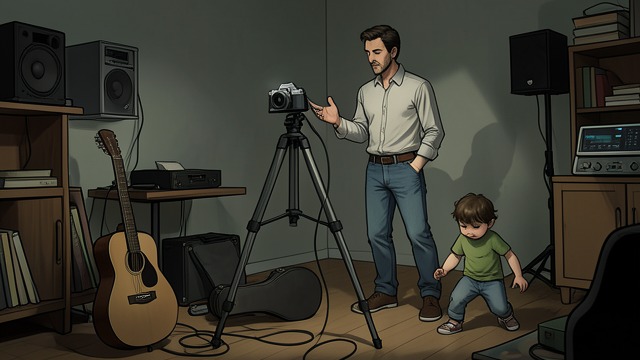
Ollie films and researches largely by himself, using a small camera setup while travelling with the band. The series depends on an informal, unpolished style that keeps the subject present in the moment.
Shay’s attention
Shay often forgets the camera while engaging with the family material. His openness strengthens the footage but also makes Ollie responsible for deciding what should remain private.
Editing Their Intimacy
Work and Relationship Overlap
The camera records closeness
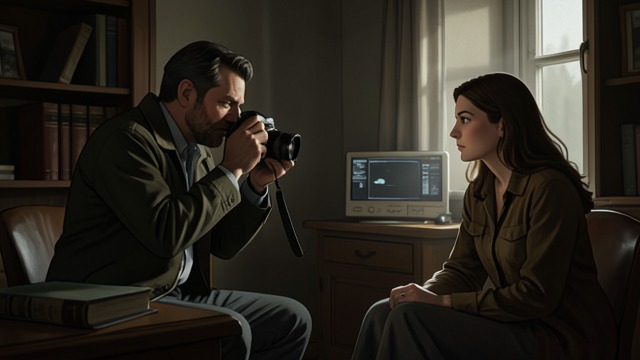
Ollie films Shay’s responses to historical discoveries while their personal relationship develops off camera. Moments of charged eye contact and touch complicate the idea that he is a neutral observer.
A boundary in the edit
Ollie tries to remove overly intimate material and maintain the documentary’s focus. His private feelings make editing an ethical act: he must decide how to represent Shay without exploiting what the camera witnessed.
The Camera Falls Away
The Human Moment First
A painful revelation
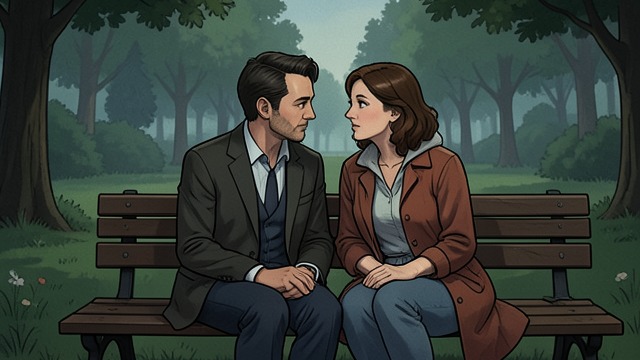
The story of Shay’s parents and grandparents becomes emotionally intense enough that the camera is no longer the most important presence. Ollie moves the conversation toward a bench and lets Shay set the pace.
Witness rather than spectacle
The investigation still belongs to the documentary, but the people in it matter more than the planned shot. Ollie’s choice recognizes that not every truth should be captured just because it can be.
The Final Edit
Choosing What Remains
A second editor’s view
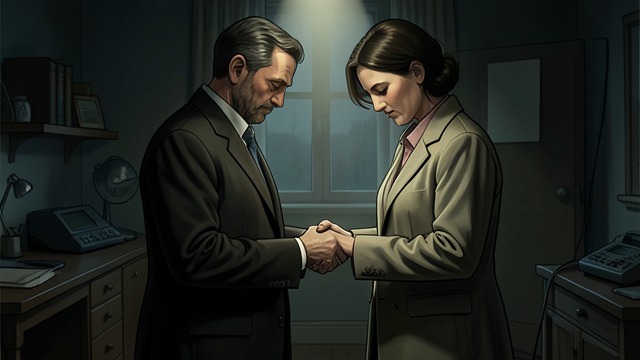
The finished documentary includes more of Ollie than he would have chosen himself. A final image shows him and Shay together after the revelation, hands joined and heads bowed.
The film as shared record
The footage has become a record of ancestry and of a relationship changed by the search. Its ending preserves a moment of vulnerability without pretending that the camera explains everything.
Before the tour starts
During the first filming session
During the middle weeks of the tour
During the cemetery conversation in Leeds
Six months after the tour
